Lawn care· 4 min read ·
The fall lawn checklist: 7 jobs to do before the first frost
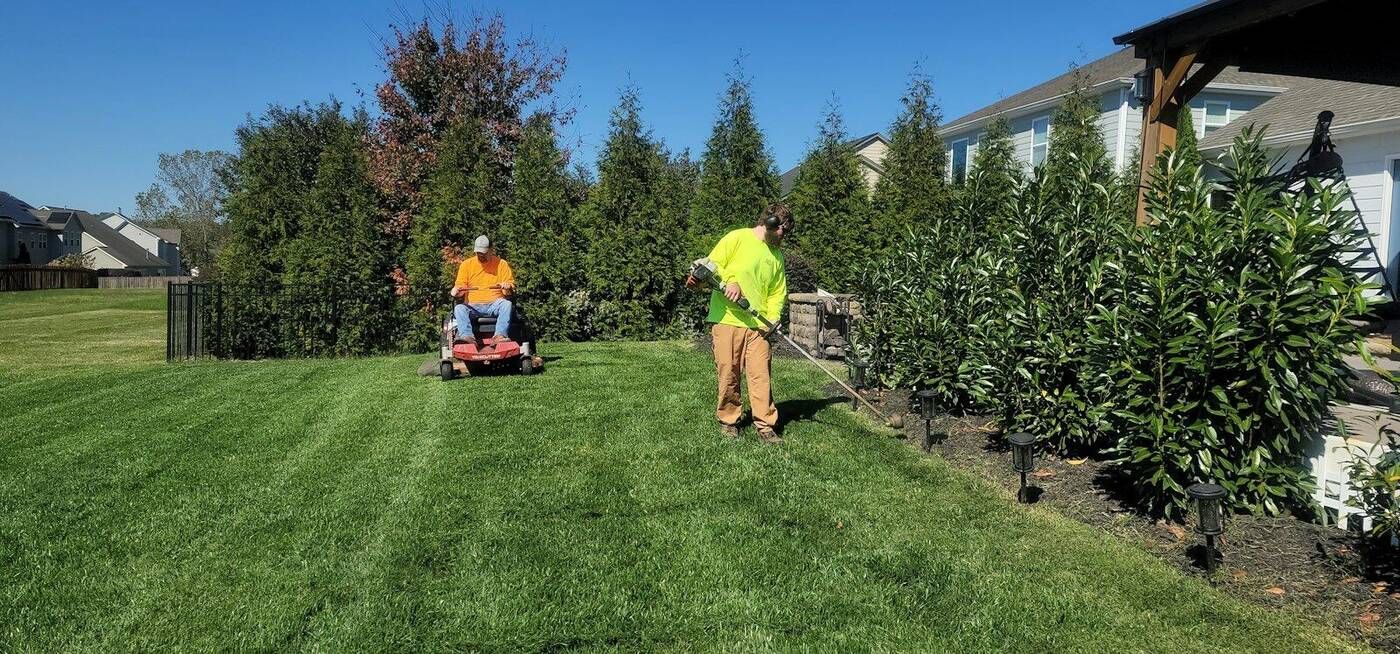
Most homeowners put the mower away after Thanksgiving. That is a mistake. In the GTA, the stretch from mid-September to the first hard frost is the best time of year for lawn work: the soil is still warm and the air is cool, so roots keep growing while weeds slow down.
We work through the same list on lawns across Toronto, Mississauga, Brampton and Oakville every fall. Do these jobs in order and you will see the difference next spring.
Keep mowing, then drop the height
Grass keeps growing until the soil falls below about 10 degrees. Keep mowing weekly, and for the last two cuts lower the blade to about 6 cm. A lawn left long tends to mat down under the snow and grow snow mould by March.
Do not scalp it, though. Going lower than 5 cm in one go stresses the crowns right when they are storing energy for winter.
Core aerate compacted areas
Summer traffic compacts the soil, and roots and water cannot get through. Core aeration pulls out small plugs so air, water and nutrients reach the roots. Do it when the soil is moist but not soaked.
Newer subdivisions in Brampton and Mississauga often sit on compacted subsoil with only a thin layer of topsoil under the sod. On those lawns, aeration does more than any bag of fertilizer.
Crew tipleave the plugs on the lawn. They break down within two weeks and put the soil back where it came from.
Overseed the thin patches
Seed sown right after aerating drops into the holes and makes good contact with the soil. For most GTA lawns a mix of Kentucky bluegrass and perennial ryegrass works well, and shady yards under mature trees do better with a fine fescue blend.
Water lightly every day until the new grass is about 5 cm tall. Then back off to deeper, less frequent watering.
“Fall seeding beats spring seeding almost every time. The weeds are not competing with it.”
Feed with a fall fertilizer
A fall fertilizer is higher in potassium, which helps roots get through the cold. Apply it in late October, after top growth has slowed but while the roots are still active. Check the bag for the right spreader setting, and sweep any granules off the driveway and walkway so they do not wash into the storm drain.
Deal with the leaves
A thick layer of leaves blocks light and holds in moisture, which leads to dead patches by March. Mulch a light cover with the mower. Rake heavy cover onto your garden beds, where it works as free mulch.
Crew tipoak leaves break down slowly, so shred them with the mower before they go onto a bed.
Shut down irrigation and outdoor taps
Before the first hard freeze, blow out the irrigation lines and shut off the outdoor taps from inside the house. One cracked backflow preventer costs more to fix than this whole list. If you have a sprinkler system, our sod and irrigation team handles the winterizing visit.
Mark your edges before the snow
Push stakes in along the driveway and walkways so plows and shovels do not tear up the turf at the edges. It takes ten minutes and saves a lot of edge repair in spring.
Timing across the GTA
The dates above are a guide, not a rule. Yards close to the lake in Toronto and Oakville usually stay frost-free a little longer than inland Brampton, so the same checklist can start a week or two later by the water. Watch the overnight lows rather than the calendar. Once nights dip near zero, finish the seeding and feeding jobs first and leave the tidying for the next dry weekend.
What to skip
Do not use a high-nitrogen fertilizer in late fall; it pushes soft top growth that winter will damage. Do not leave a heavy pile of leaves on one spot of lawn for weeks. And do not water new seed after the ground freezes, because the seed will simply sit there until spring.
Short on time?
If you would rather not spend three weekends on this, our lawn care programmes include fall aeration and overseeding, and the seasonal cleanup visit takes care of the leaves. Ask for a free visit on the contact page and we will tell you what your lawn actually needs.
Want GreenScape to take care of it?
Tell us about your property and we will arrange a free visit and a clear quote.