Planting· 4 min read ·
Native plants that handle a GTA winter, and help pollinators too
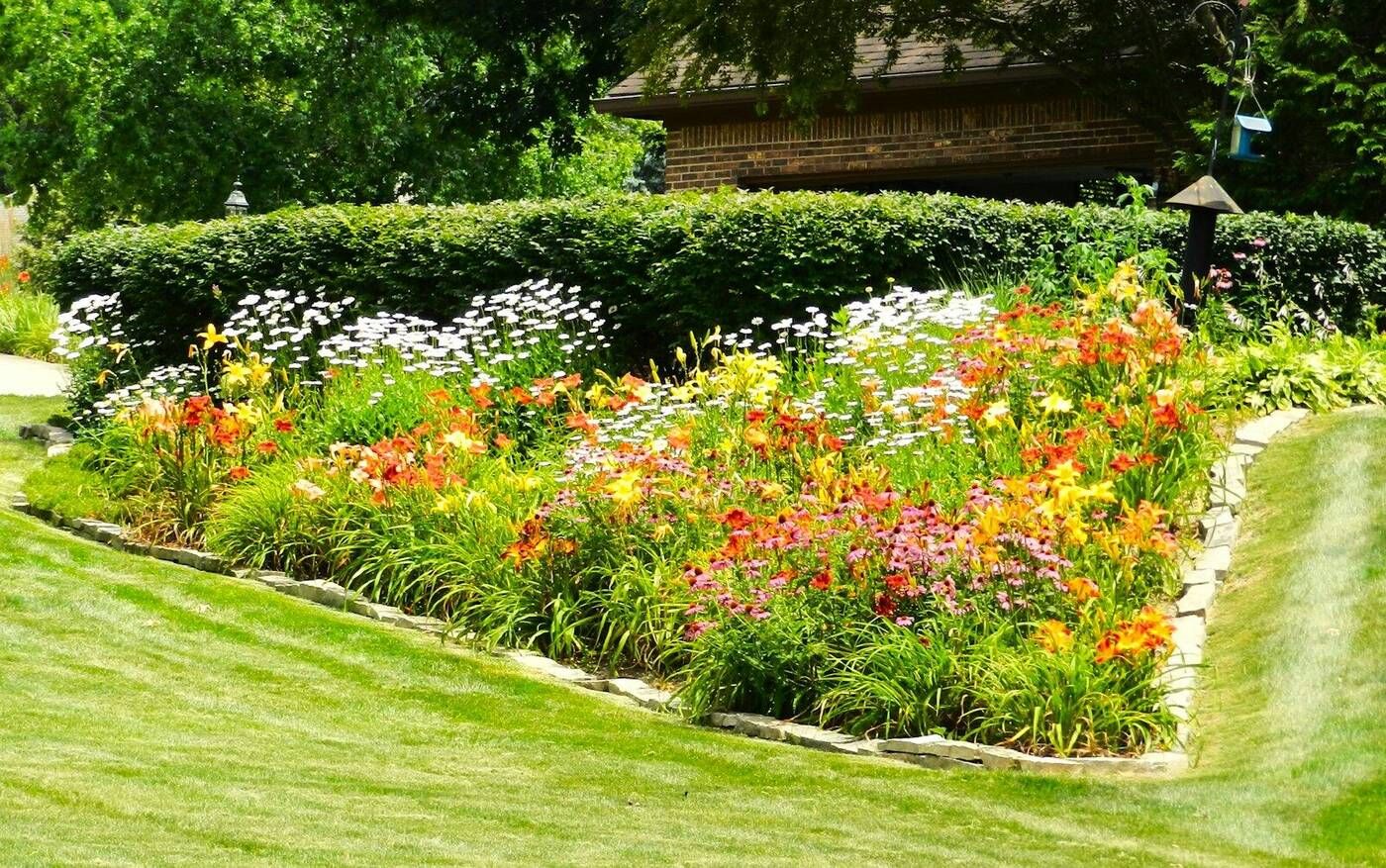
A plant that grows wild in Ontario has already passed the toughest test: our winters. Native perennials, grasses and shrubs also feed bees, butterflies and birds, and most need much less watering and feeding than imported plants once they have settled in.
This is a short list of reliable choices we like for GTA yards, plus a few notes on getting them through the first year.
Start with the conditions
Before you shop, spend a day watching the spot. How many hours of direct sun does it get? Is the soil heavy clay, sandy or in between? Does water sit there after rain? Plants that match the conditions will cope with almost everything else.
Our area pages describe the usual conditions in Toronto, Mississauga, Brampton and Oakville, from shaded city lots to open, clay-heavy subdivisions.
For full sun
- Purple coneflower and black-eyed Susan bloom from midsummer into fall, tolerate clay and drought, and the seed heads feed goldfinches in winter.
- Wild bergamot has lavender flowers that bees and hummingbird moths love, and it copes with dry soil.
- New England aster flowers in September and October, when many other plants have finished, which makes it valuable for late pollinators.
- Little bluestem is a slim native grass with copper fall colour. It handles salt spray along the road better than most.
Crew tipplant in groups of three or five of the same plant. Pollinators spot a patch from further away, and the bed looks planned rather than scattered.
For part shade and shade
- Wild geranium forms a soft mound with pink spring flowers and spreads slowly under trees.
- Foamflower is a tidy ground cover with white spikes in spring and handsome leaves.
- Wild columbine is red and yellow, easy from seed, and one of the first nectar sources for hummingbirds.
Shady Toronto lots with old trees are a good match for this group, because they tolerate dry shade once established.
Shrubs and small trees
Serviceberry gives white flowers in spring, edible berries in June and orange-red leaves in fall, and it stays small enough for most city yards. Red-osier dogwood has red stems that glow against the snow and copes with wet clay. Both are hardy across the GTA.
“Plant it right, water it well for the first year, and then mostly leave it alone.”
Get the first year right
The first summer decides whether a plant thrives. Native or not, a new plant has a small root system and needs help.
- Dig the hole twice as wide as the pot, and no deeper.
- Loosen the roots if they are circling the pot.
- Backfill with the soil you dug out. Skip the rich potting mix; it makes roots stay in the hole.
- Water deeply once or twice a week through the first season, more in a heat wave.
- Mulch 5 to 7 cm deep, kept off the stems.
Fall is a good time to plant
Early to mid-October gives roots time to establish before the ground freezes, and cooler temperatures mean less watering. Keep watering until the ground freezes, and expect less top growth and more root growth over the winter.
What to expect
Native plants are not zero maintenance. Weeds need pulling in the first two years, the beds need a tidy in spring, and some plants spread more than you expect. In return you get a yard that looks better each year, supports local wildlife and needs less water.
Where to see them first
Visit a native plant nursery or a conservation area in the summer to see how these plants look at full height. Many look unremarkable in a small pot in spring and spectacular by August, so a visit helps you picture the finished bed. Take photos and notes on the heights and colours you like.
Winter interest
Leave the seed heads standing through the winter. They look good under snow, feed the birds, and shelter insects. Cut the stems back in spring, once the weather is regularly above 10 degrees.
Planning a bed?
If you would like help choosing plants, laying out a bed or planting it, our landscape design team starts with a free visit. Tell us about your yard through the contact page.
Want GreenScape to take care of it?
Tell us about your property and we will arrange a free visit and a clear quote.